The invention of graphic modernism
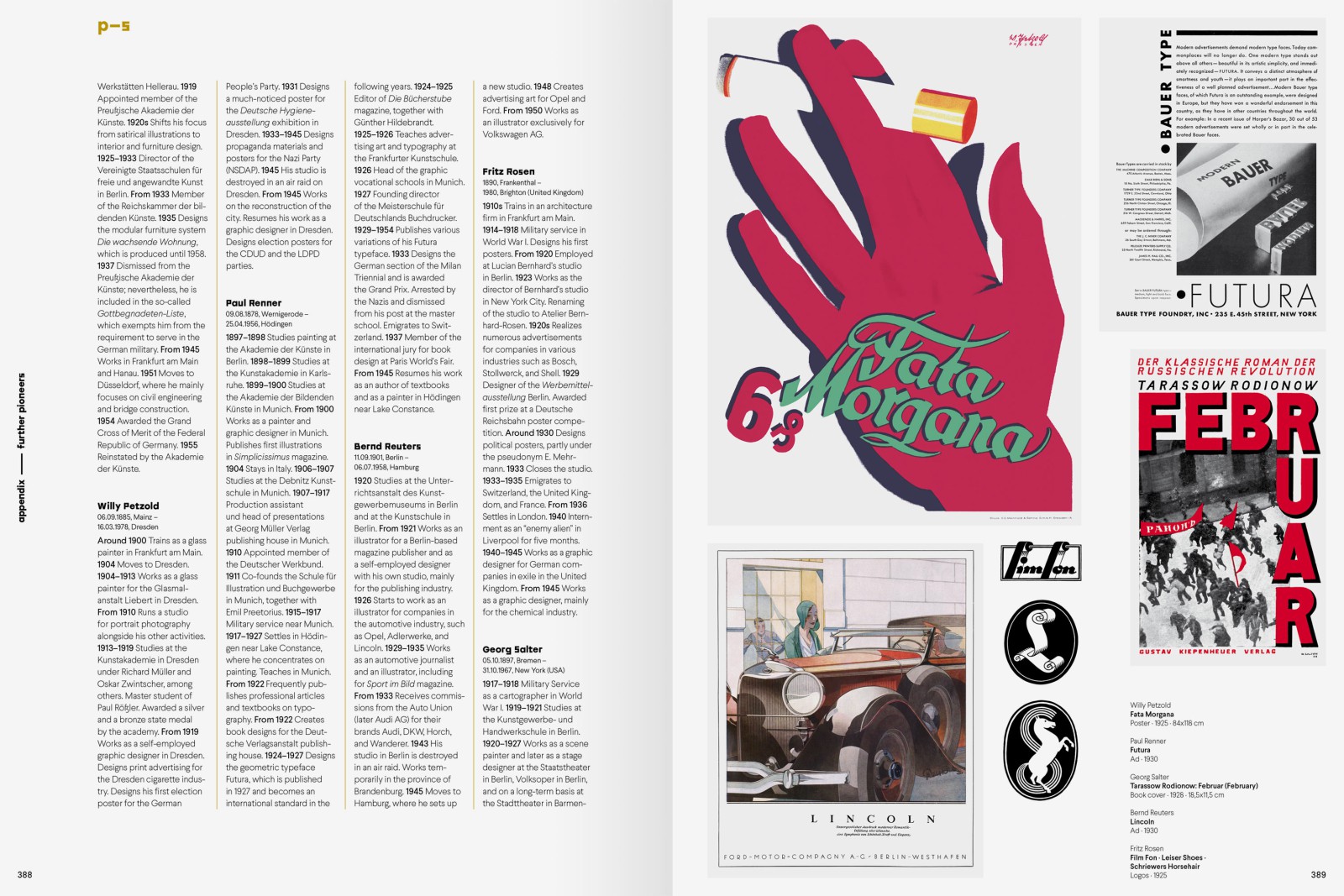
“Design Pioneers. The Invention of Graphic Modernism” is the long overdue comprehensive work on the emergence of a visual language that would have a more lasting impact on our understanding of contemporary aesthetics than any movement before or since. For the first time, this publication sketches a complete picture of the fascinating history of the development of graphic design in Germany from the late Empire to the beginning of the Second World War.
The list of innovations from this period is impressive: in 1907, for example, Peter Behrens created the world’s first integral corporate identity for AEG. Further developments followed at a rapid pace: Lucian Bernhard revolutionised the most important medium of the time with the Sachplakat (or object poster), laying an important foundation for the design principles of minimalism and reduction that shaped the early 20th century; Wilhelm Deffke and Karl Schulpig invented the modern logo; Herbert Bayer created a new graphic design language at the Bauhaus; Jan Tschichold propagated New Typography; and John Heartfield discovered photomontage as a new means of visual communication. All of these pioneers were driven by an unprecedented spirit of optimism that emerged in the wake of fundamental social changes, especially in the country's metropolises.
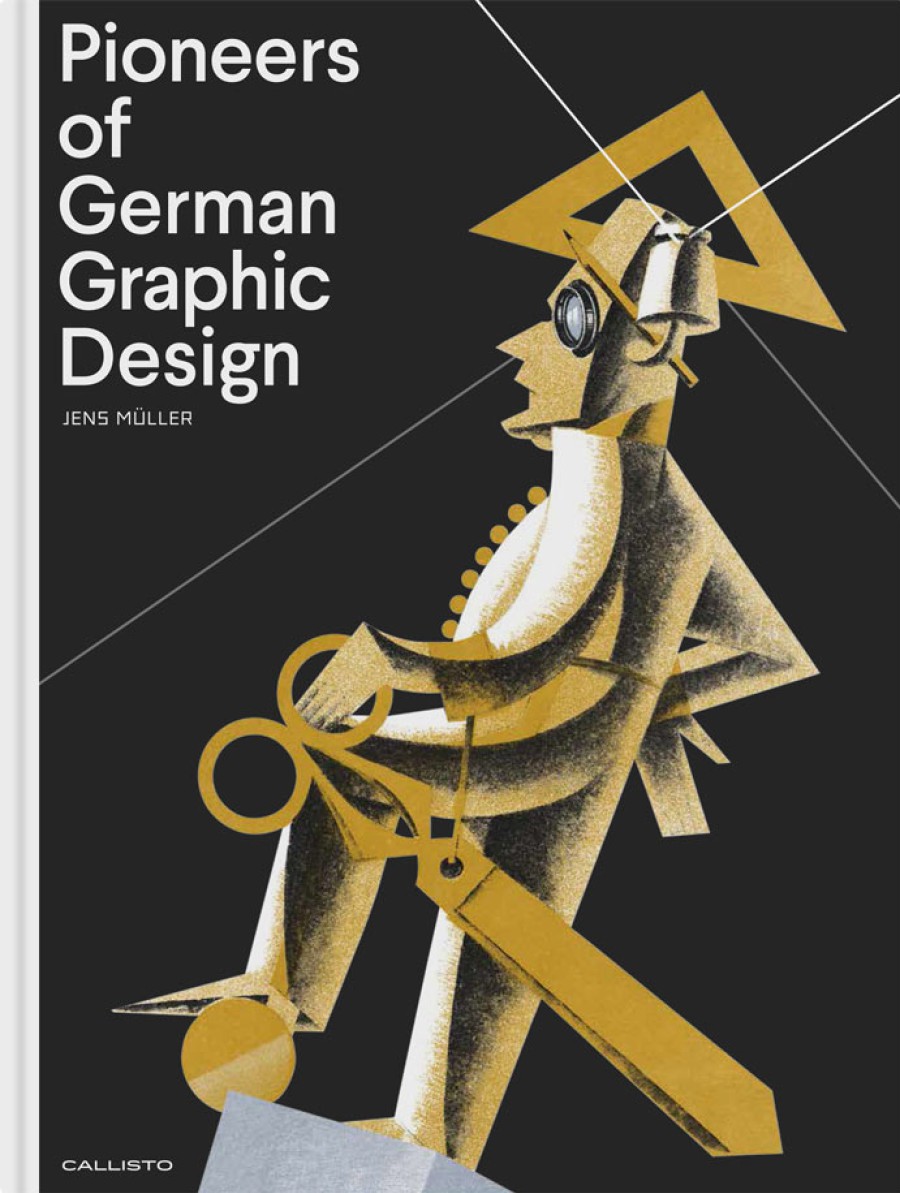
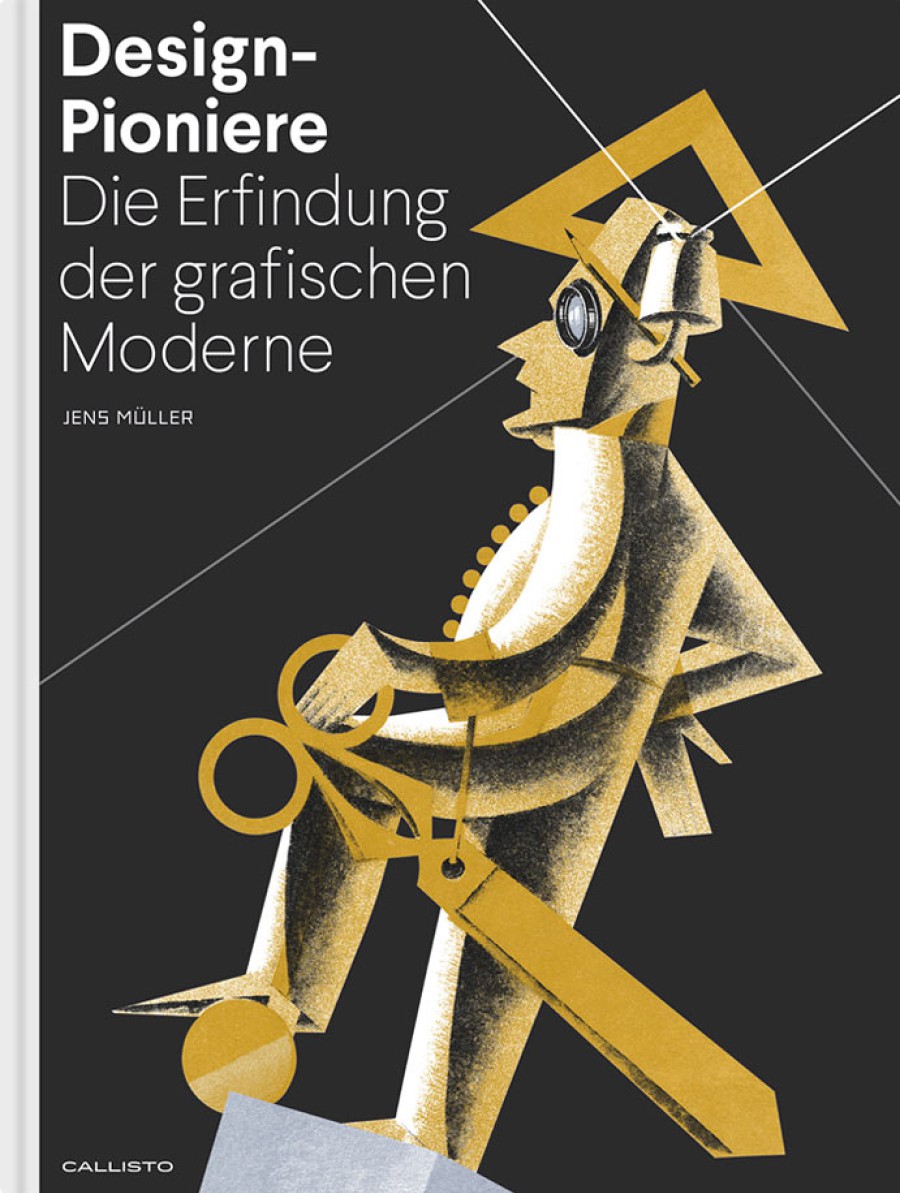
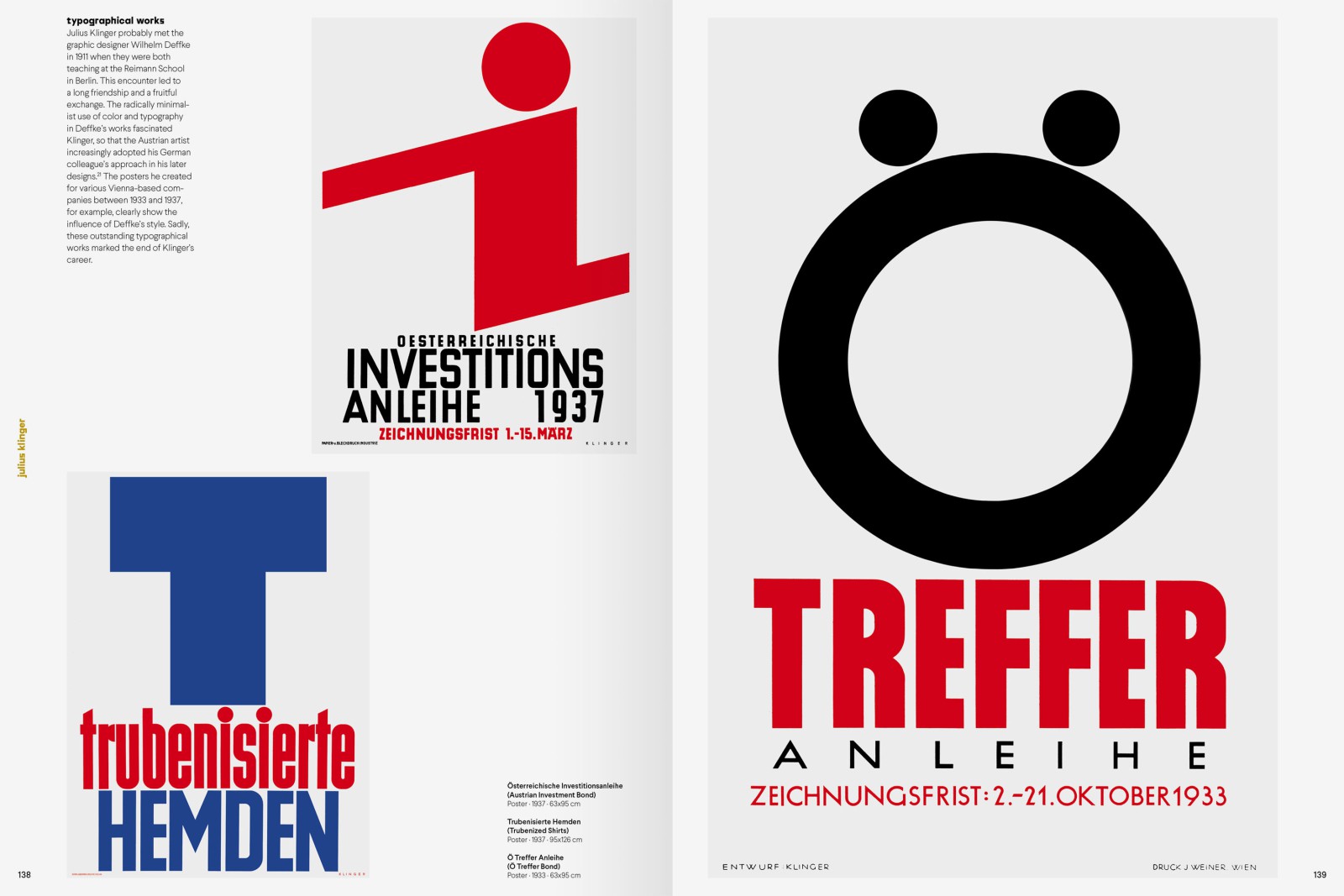
The lavishly produced volume was developed in two language versions (German and English) and contains over 1,000 illustrations of iconic milestones in graphic design. Printed in five colours, all the designs in the book are reproduced in optimum quality. The design of the book is based on historical templates, but with a modern look and feel using contemporary typography.
“The best book on German design history.”
— PAGE

“The clever and profound introduction by Jens Müller delivers an impressive overview of the period in which these early masterpieces of commercial art were produced. One thing becomes clear as you look and read (!): until now, there has been no such comprehensive account of a period that was ‘more significant for the development of modern design than any epoch before or since’ (Müller). This is a serious judgement, but one that is emphatically confirmed by the following compilation. The 14 artists selected did indeed establish a completely new profession, and they did so with style-defining works. As with every selection, one may miss one or two personal favourites. It was surely a difficult decision who should be portrayed, and so there is an appendix with short portraits of many other important pioneers. But the protagonists presented in detail offer an impressive cross-section from 1900 to 1930 in the diversity of their styles and careers. Especially as so many works are featured, demonstrating the impressive range of their artistic achievements.”
— novum, world of graphic design
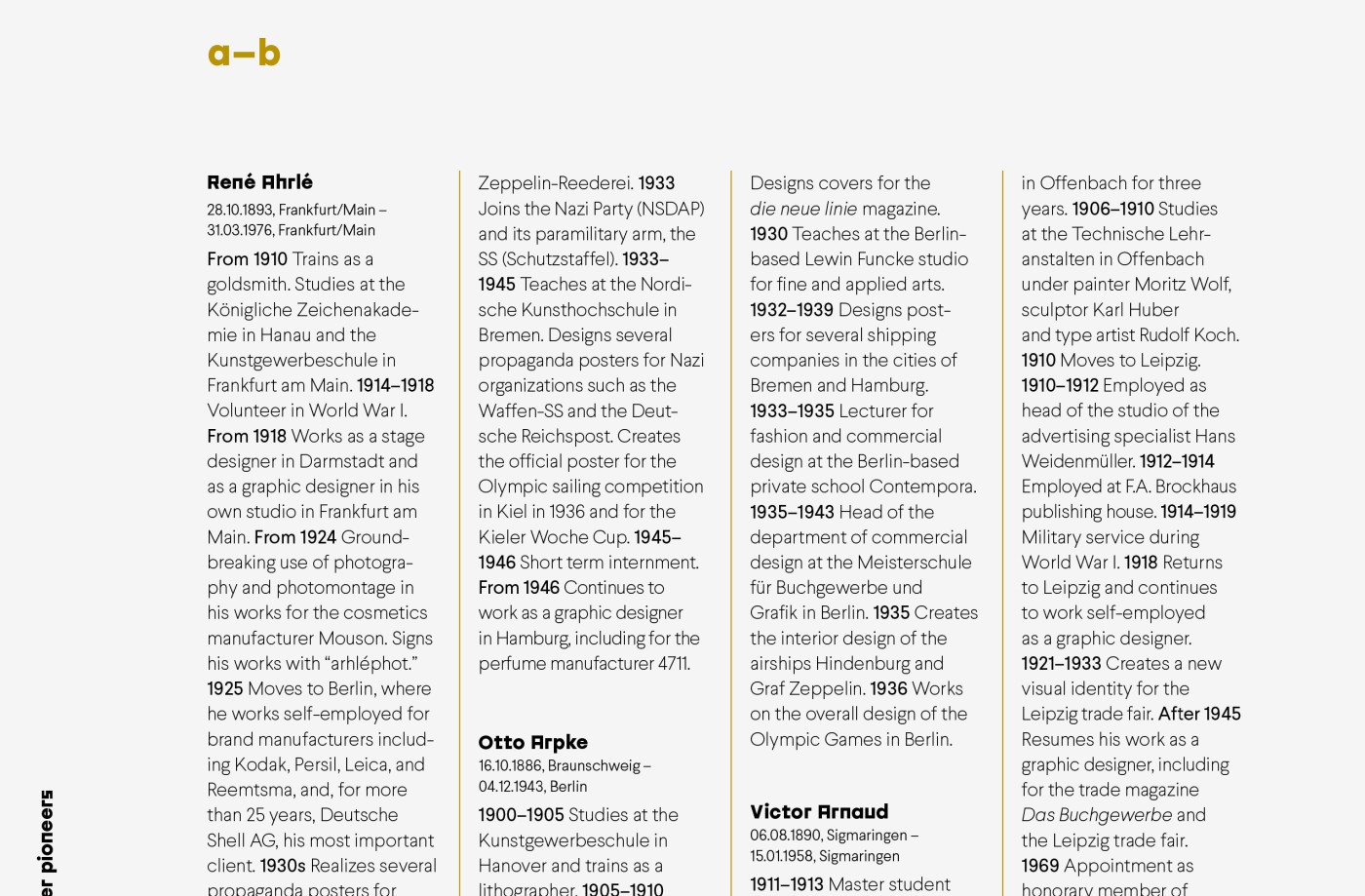
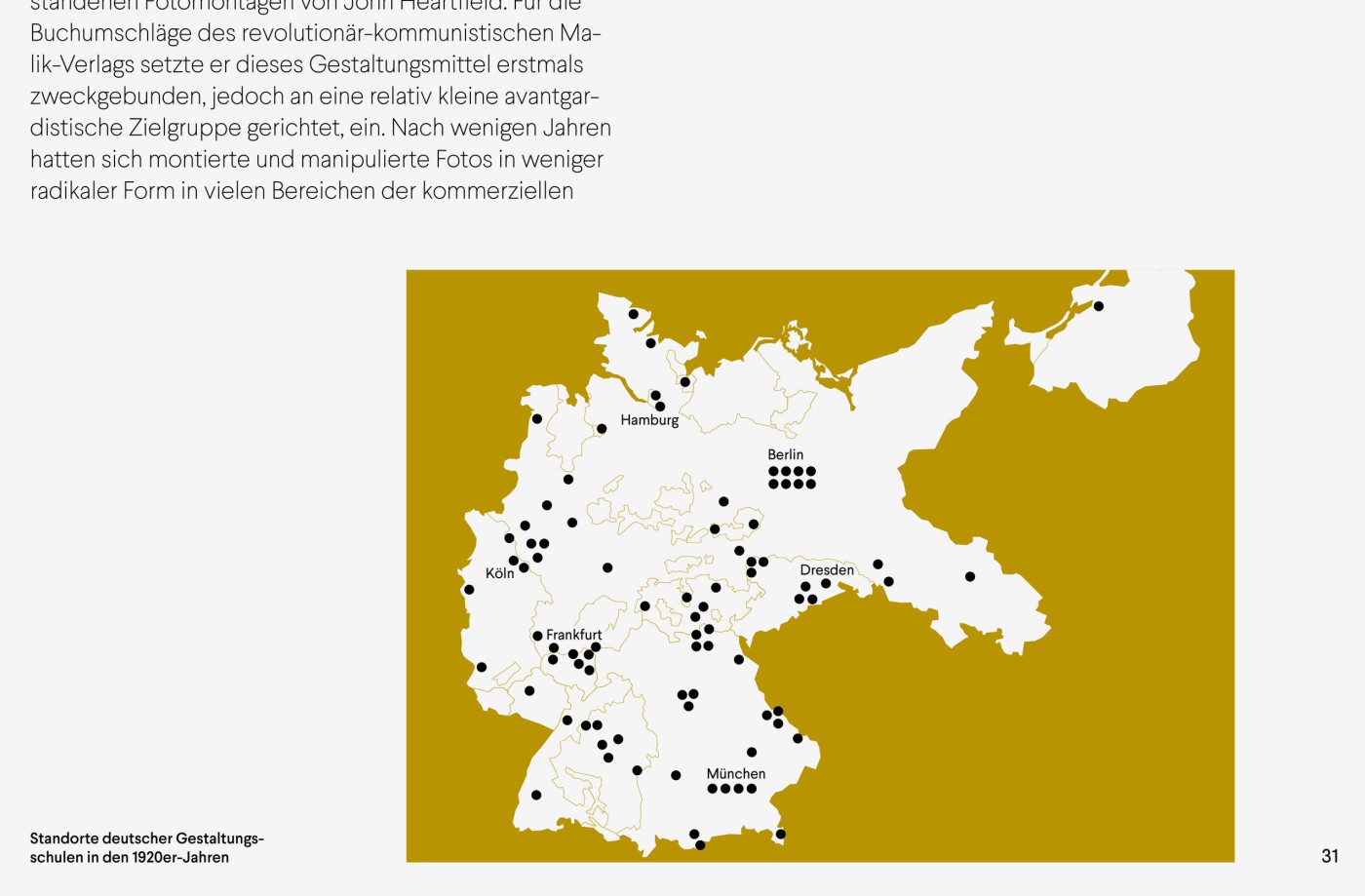
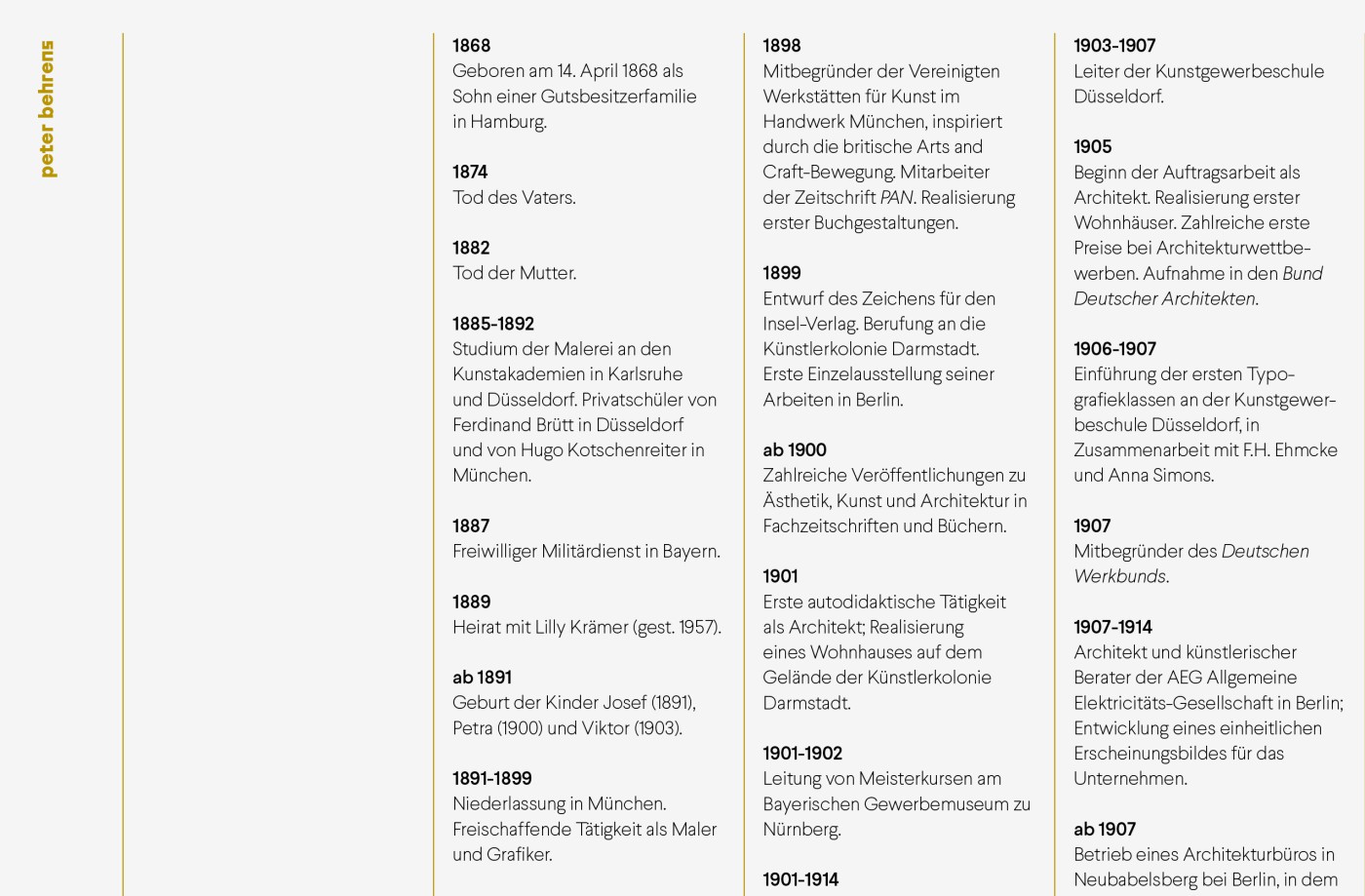
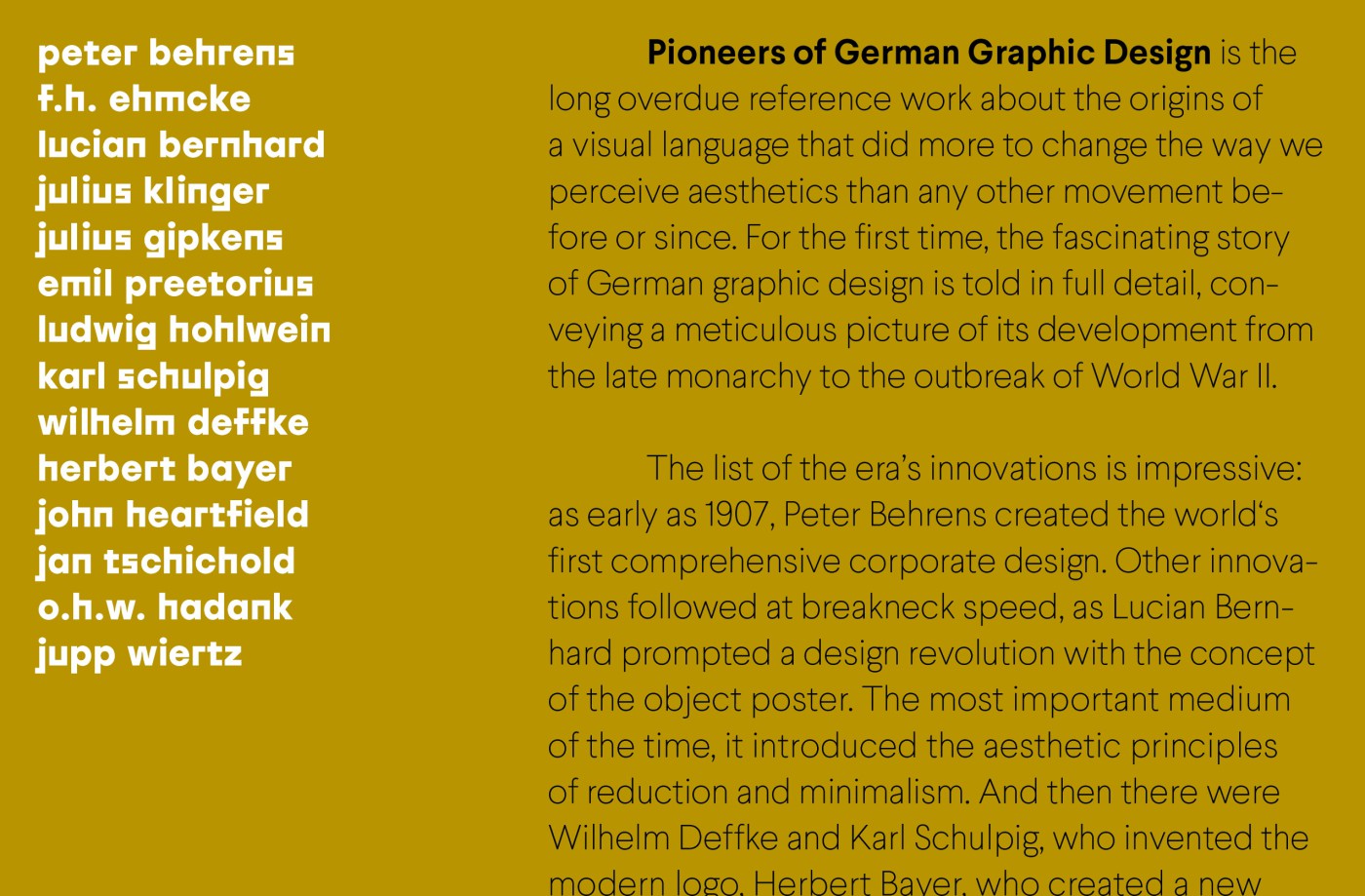
“The treatment of the pictures gives an idea of the colour finesse or force with which, depending on the commission and the temperament of the artist, they originally fitted into the aesthetic of the time. In particular, the contributions of lesser-known names such as Deffke, Gipkens and Schulpig benefit immensely from Müller’s meticulousness, based on his own research and discussions with descendants and experts.”
— Marginalien, Zeitschrift für Buchkunst und Bibliophilie
“The way design history is told here is almost lavish. Some pages are full of logos, others are full of photographed open books or flat unfolded packaging, and of course there are countless full-page posters to discover. (...) A feast for the eyes in the best print quality!”
— designreport
Auftraggeber: Callisto Publishers, Berlin
Leistungen: Konzeption & Entwurf, Recherche, Text, Editorial Design, Bildreproduktionen
Jahr: 2017
More projects
Logos of the world Logo Modernism