Identity Systems Germany
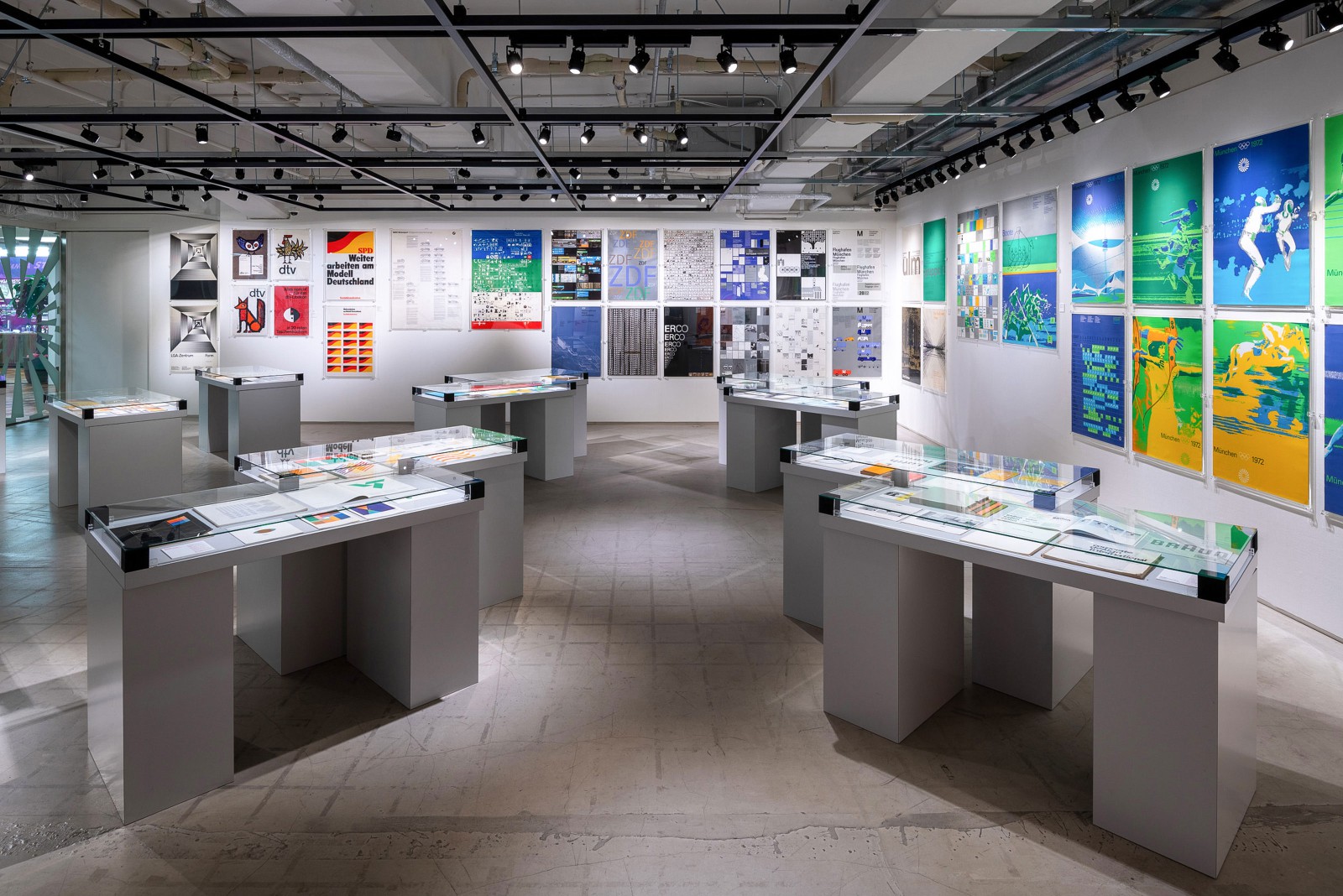
Corporate Design, Visual Identity, Brand Design—today, there are multiple terms for the consistent design concepts implemented within companies or institutions. Today, a strong, recognizable brand image is considered the absolute standard. The exhibition “Identity Systems Germany” showcases groundbreaking examples that trace the historical development of systematic brand design.
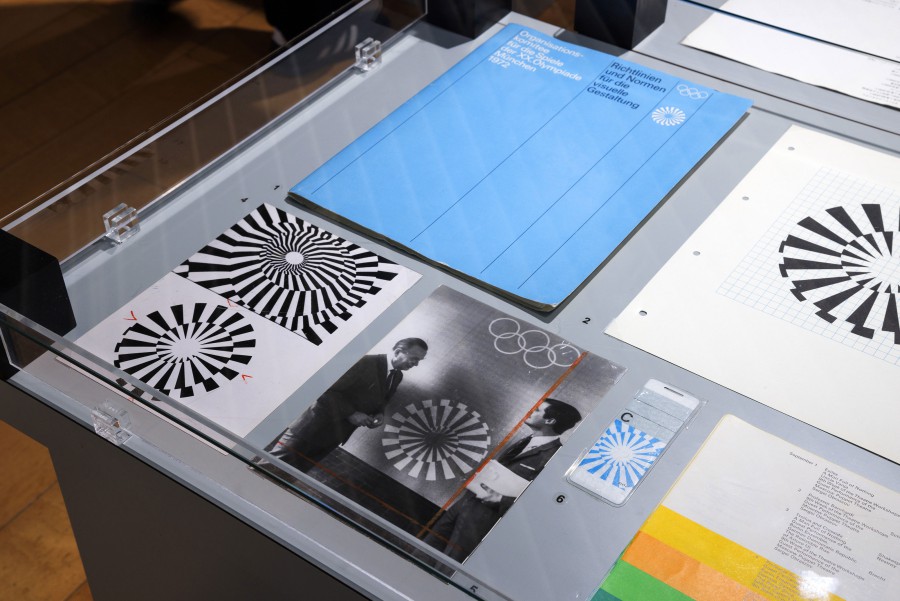
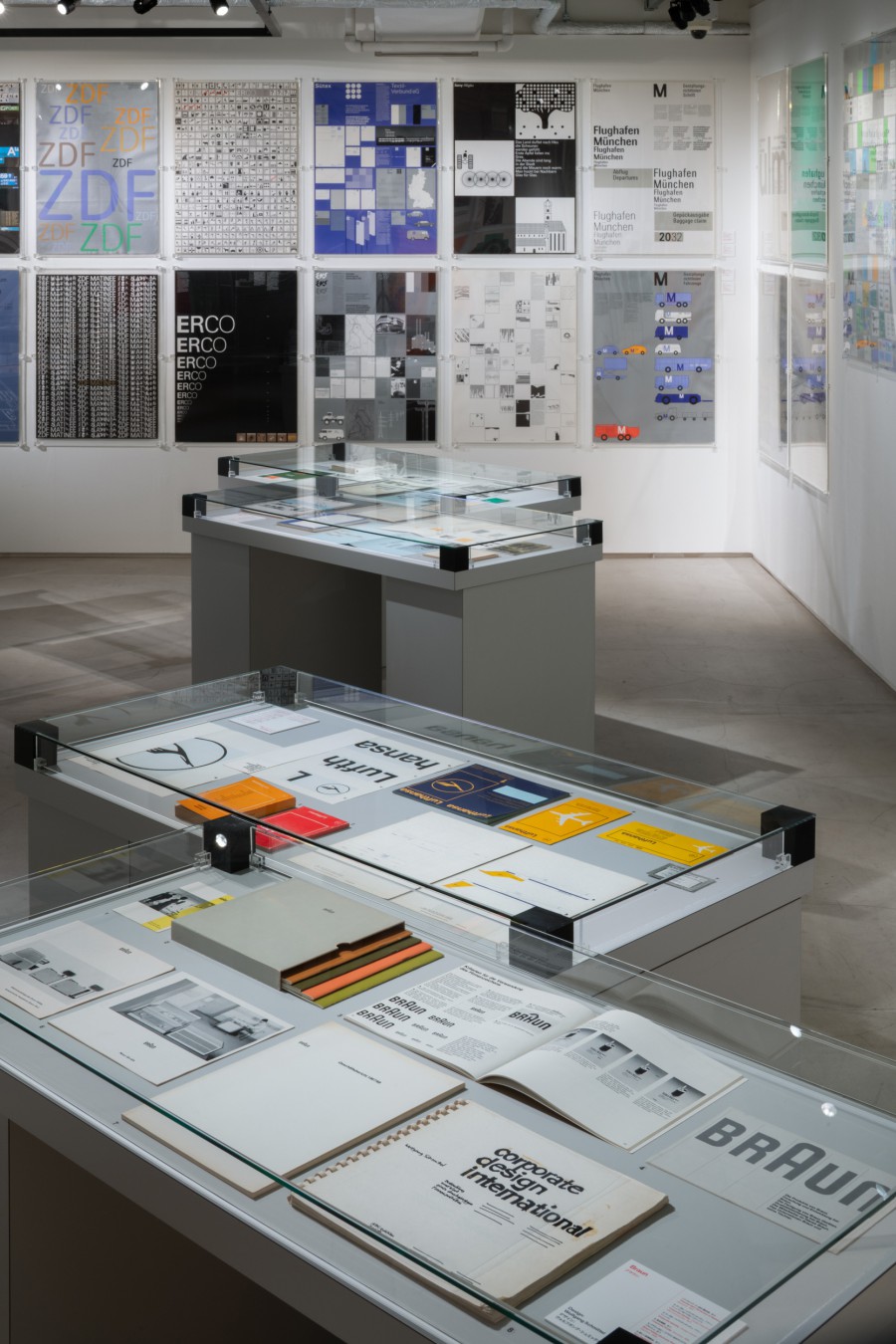
Some of the world’s earliest examples of what would later become known as corporate design emerged in Germany at the beginning of the 20th century. Peter Behrens laid the foundation for modern branding in 1907 with his holistic design works for the Berlin-based electronics company AEG. The Bauhaus adopted this concept and contributed significantly to its international dissemination and further development through its approach to design. After World War II, the Federal Republic of Germany built on the pioneering design principles of the prewar years. In the early 1960s, the influential Ulm School of Design and a number of young graphic designers shaped a new understanding of systematic and functional design. They created visual identities for Braun, Lufthansa, the 1972 Olympic Games, and many other companies and institutions in West-Germany. Having returned to democracy and enjoying economic prosperity, the country demonstrated its new ethos through design solutions that shaped everyday life.
A5 Collection, Düsseldorf
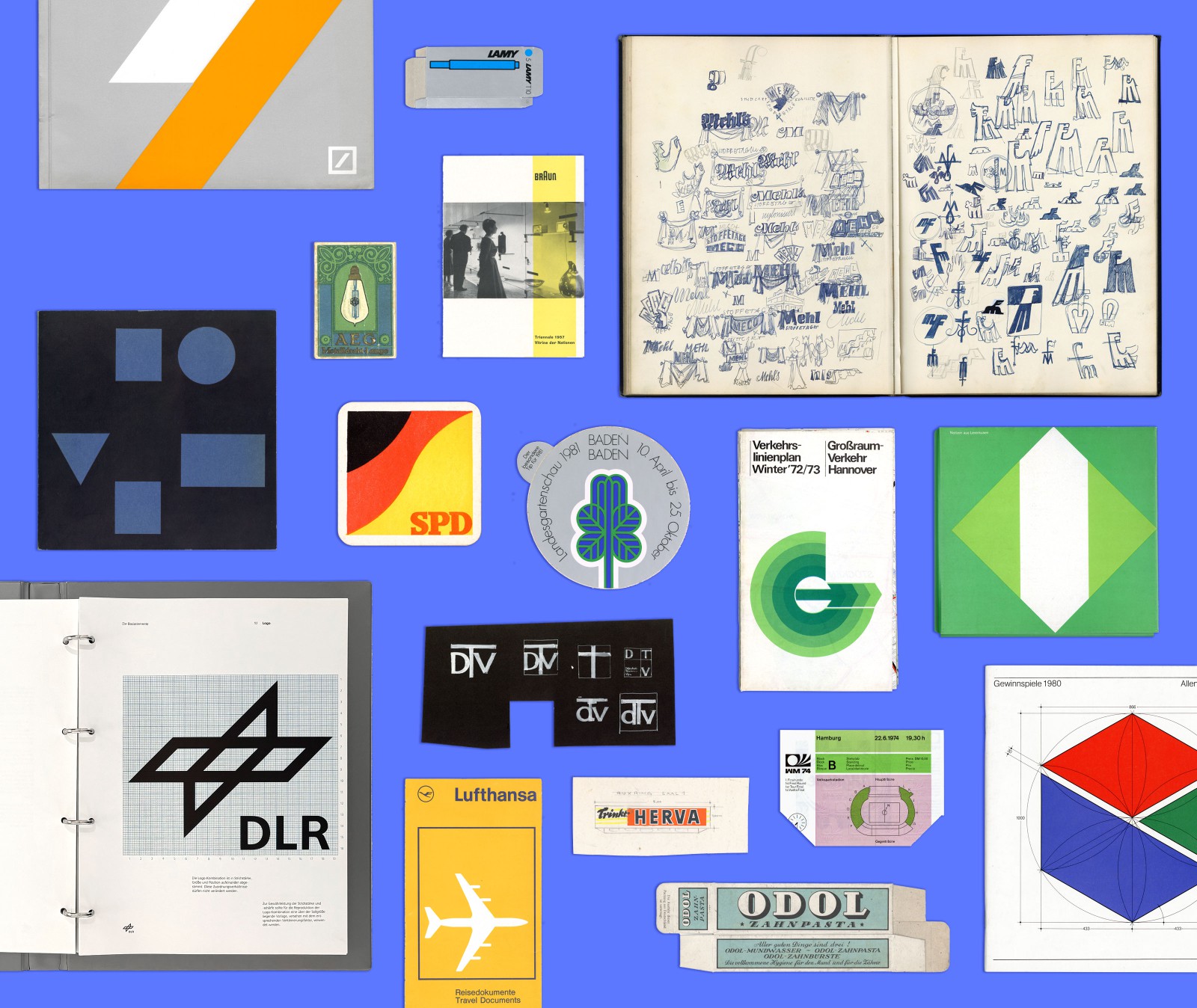
The A5 Collection in Düsseldorf is a privately initiated collection dedicated to the history of graphic design in Germany. It also focuses on the international development of visual identities and logos. The collection includes one-of-a-kind items from designers’ estates and items produced in massive quantities. The growing collection is housed at the Düsseldorf-based design studio vista, and it is curated by Katharina Sussek and Prof. Jens Müller. The collection was assembled during work on numerous book projects on design history, including international standard works such as “Logo Modernism“, “Design Pioneers: The Invention of German Graphic Design,“ and “Lufthansa + Graphic Design.“
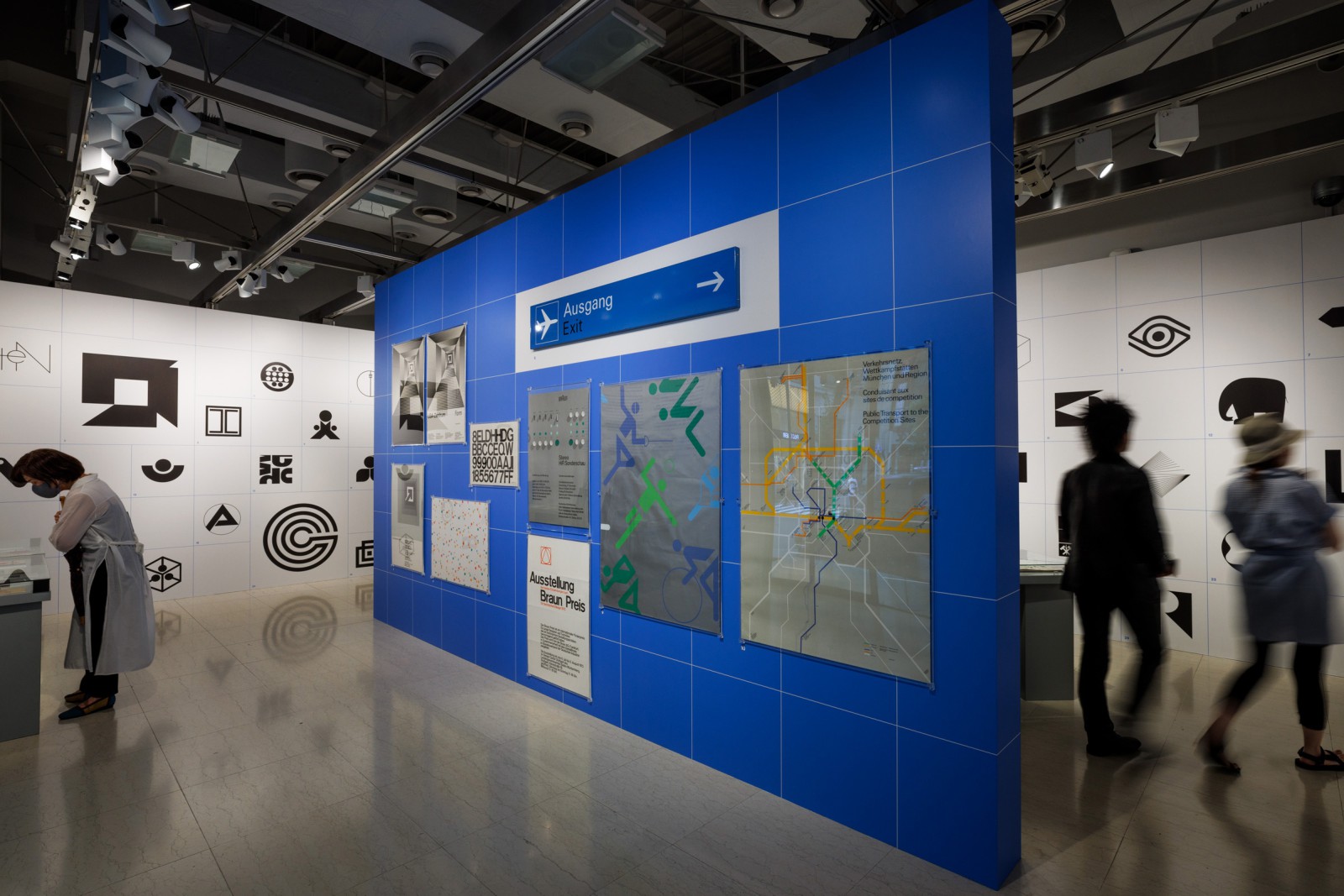
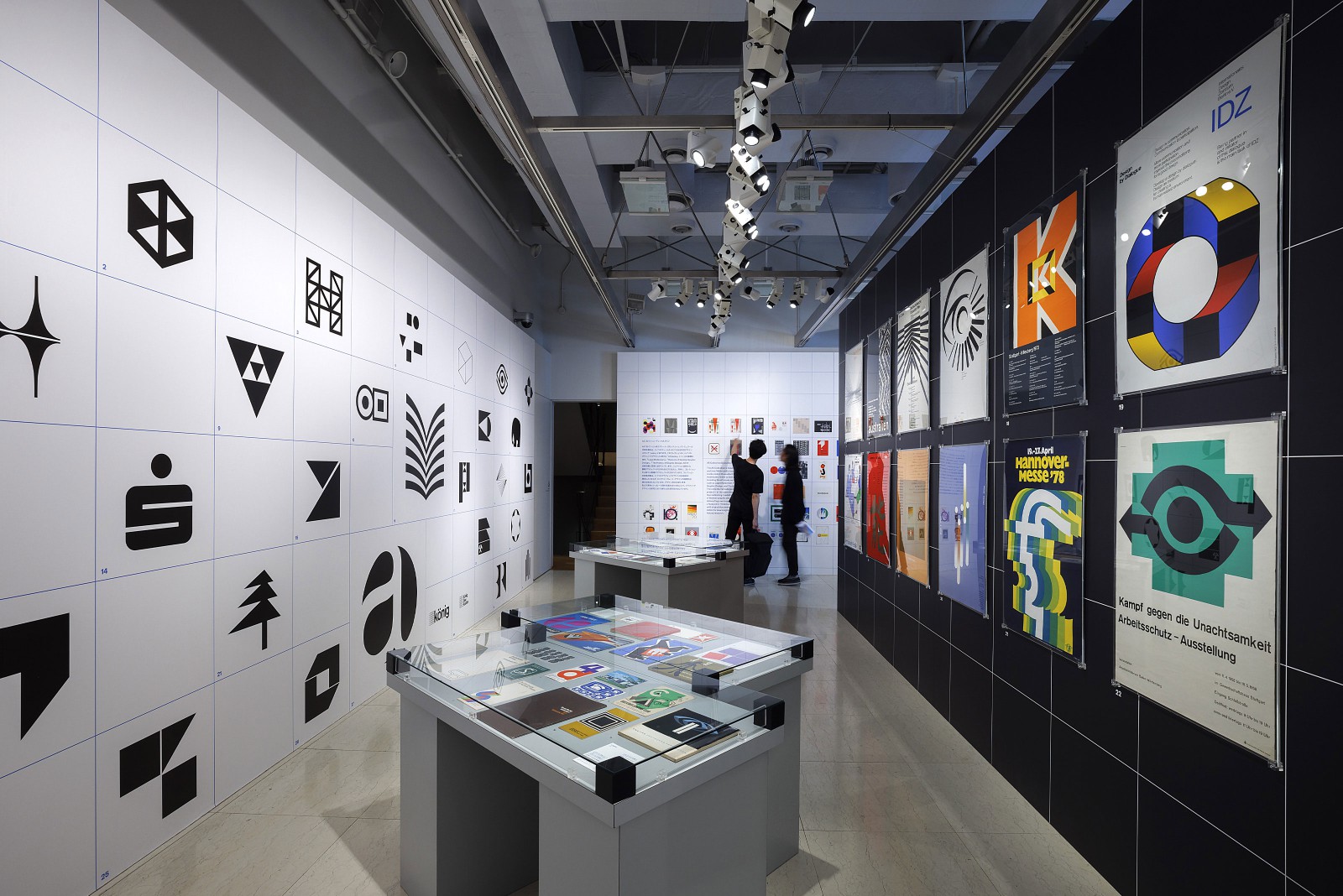
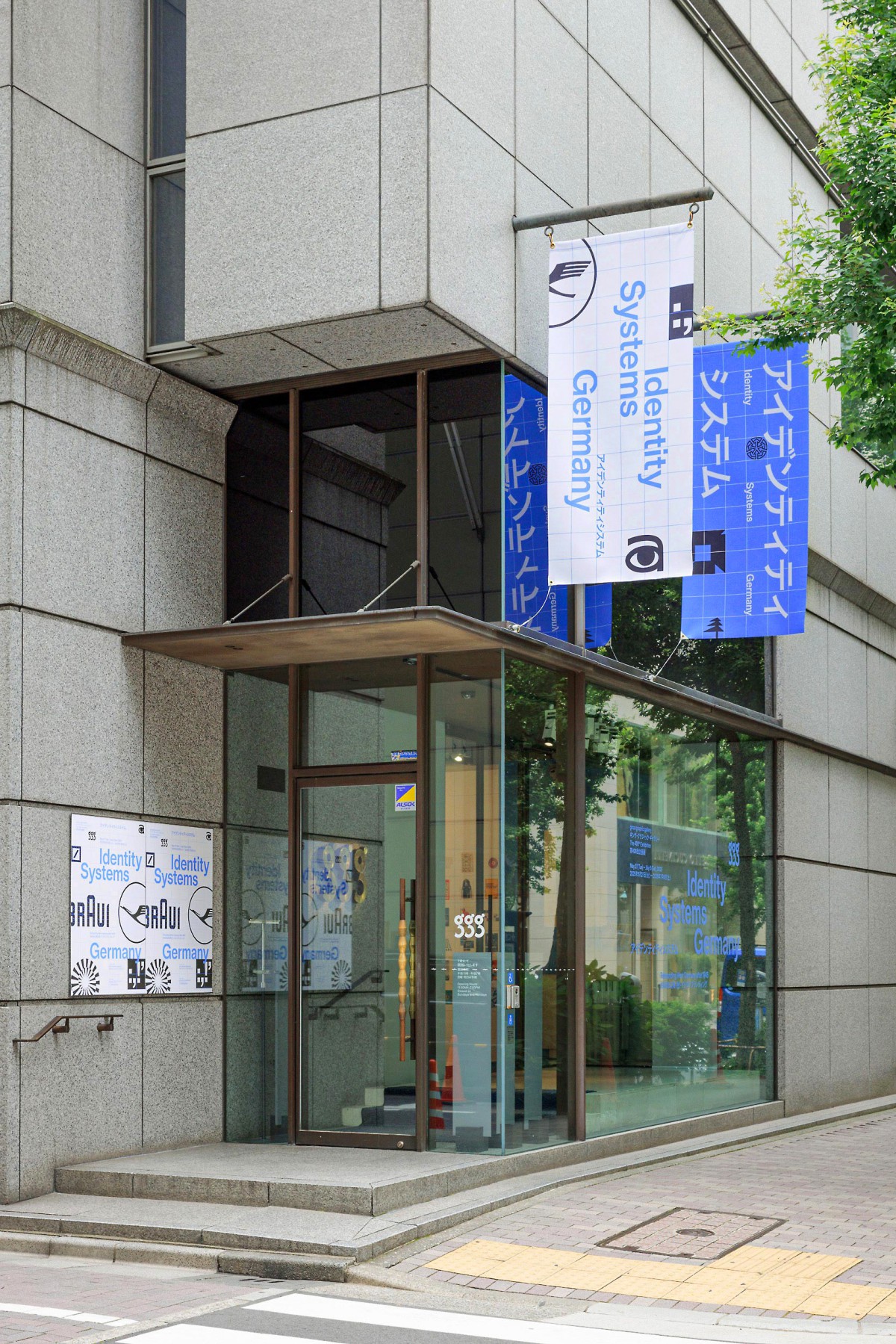
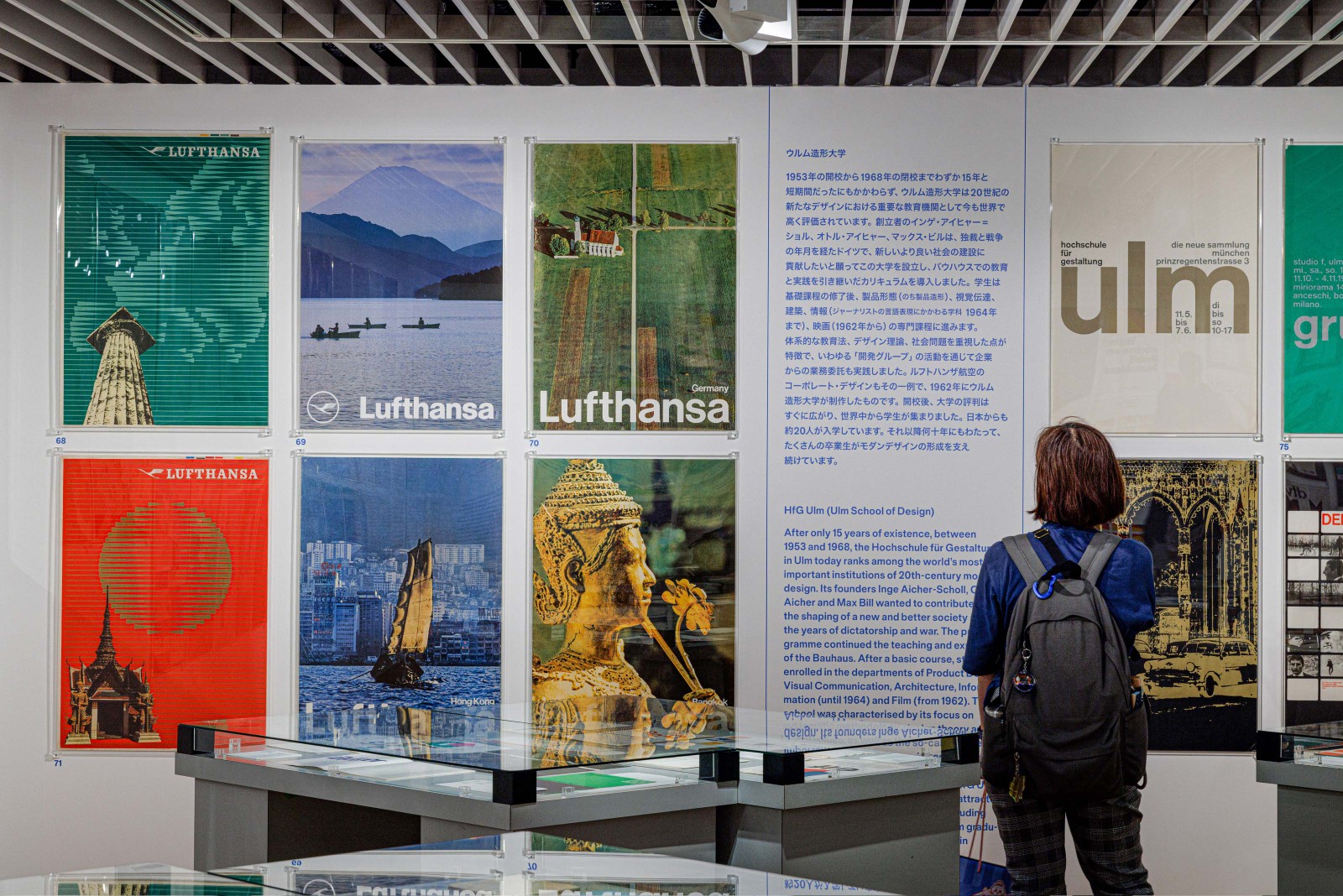
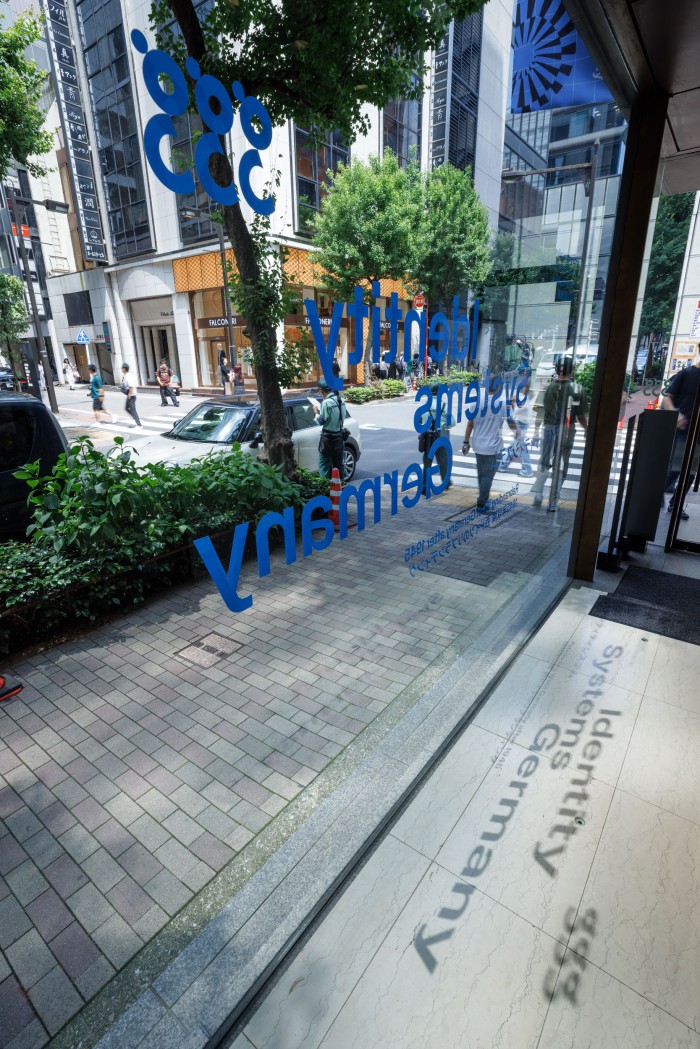
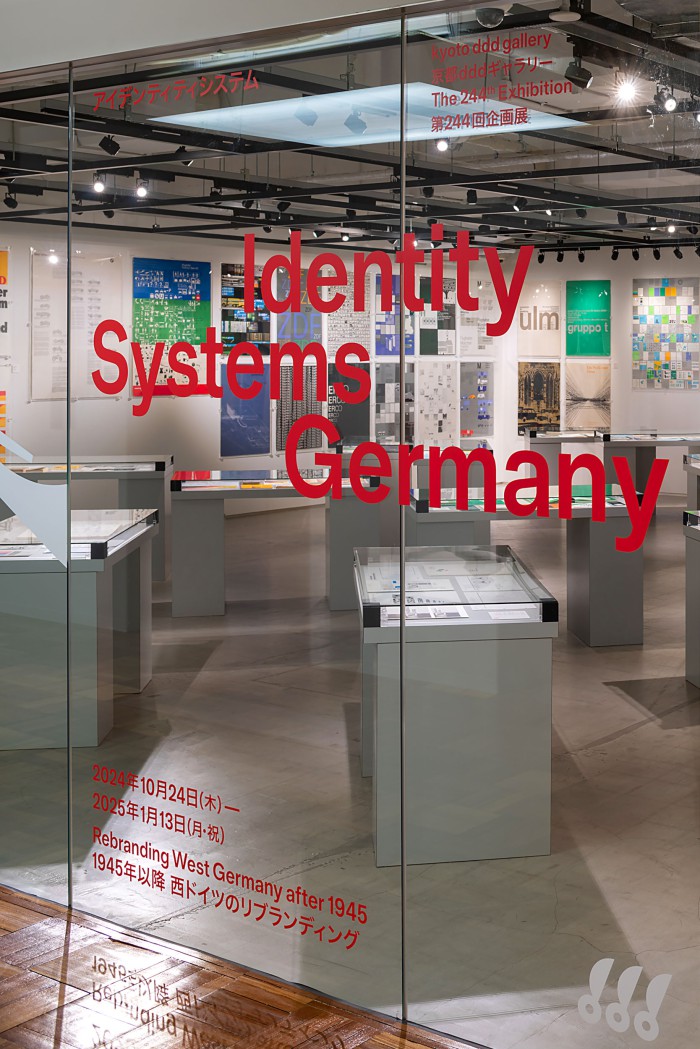
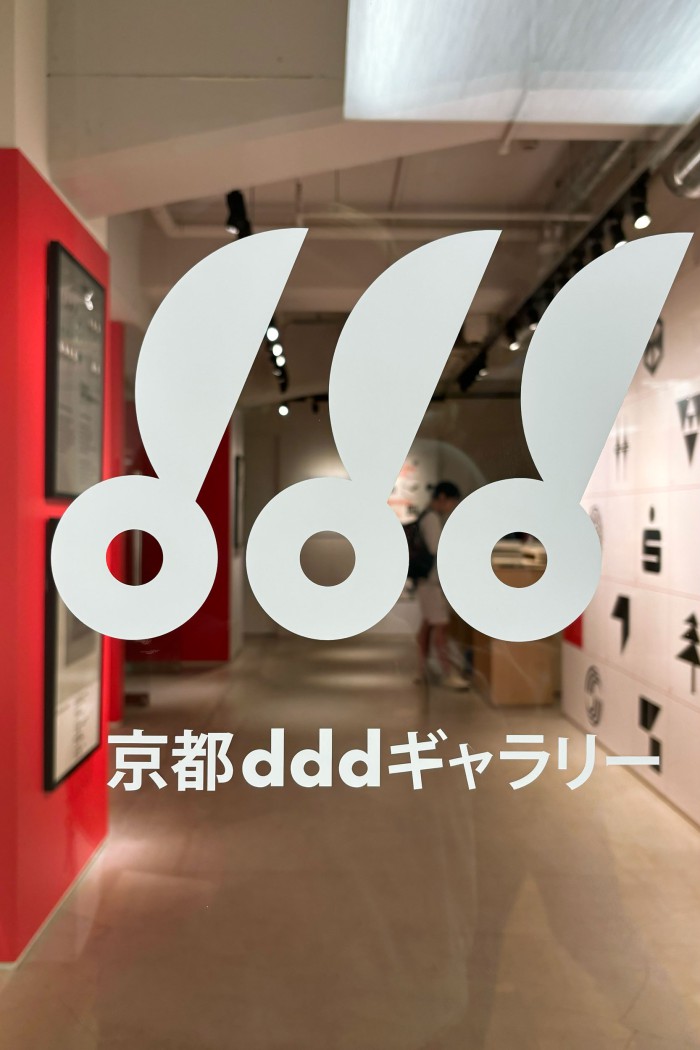
The exhibition was organized in cooperation with the Japanese DNP Foundation. Titled “Identity Systems Germany,” it was presented in Japan from fall 2024 to summer 2025 at the ddd Gallery in Kyoto and the ggg Gallery in Tokyo—alongside the “Back to Modern” exhibition, which also featured works from the A5 Collection. The two long-standing institutions are among the most renowned graphic design galleries in Asia. A total of approximately 80,000 people viewed the exhibitions in Japan. Several events with partners such as the Goethe-Institut and local universities complemented the presentations. Starting in fall 2026, the exhibition will be shown in Europe for the first time under the title “Vom Logo zur Identität” in the historic rooms of the former Ulm School of Design. Today, this institution is known as the HfG Archive and is part of the Ulm Museum.
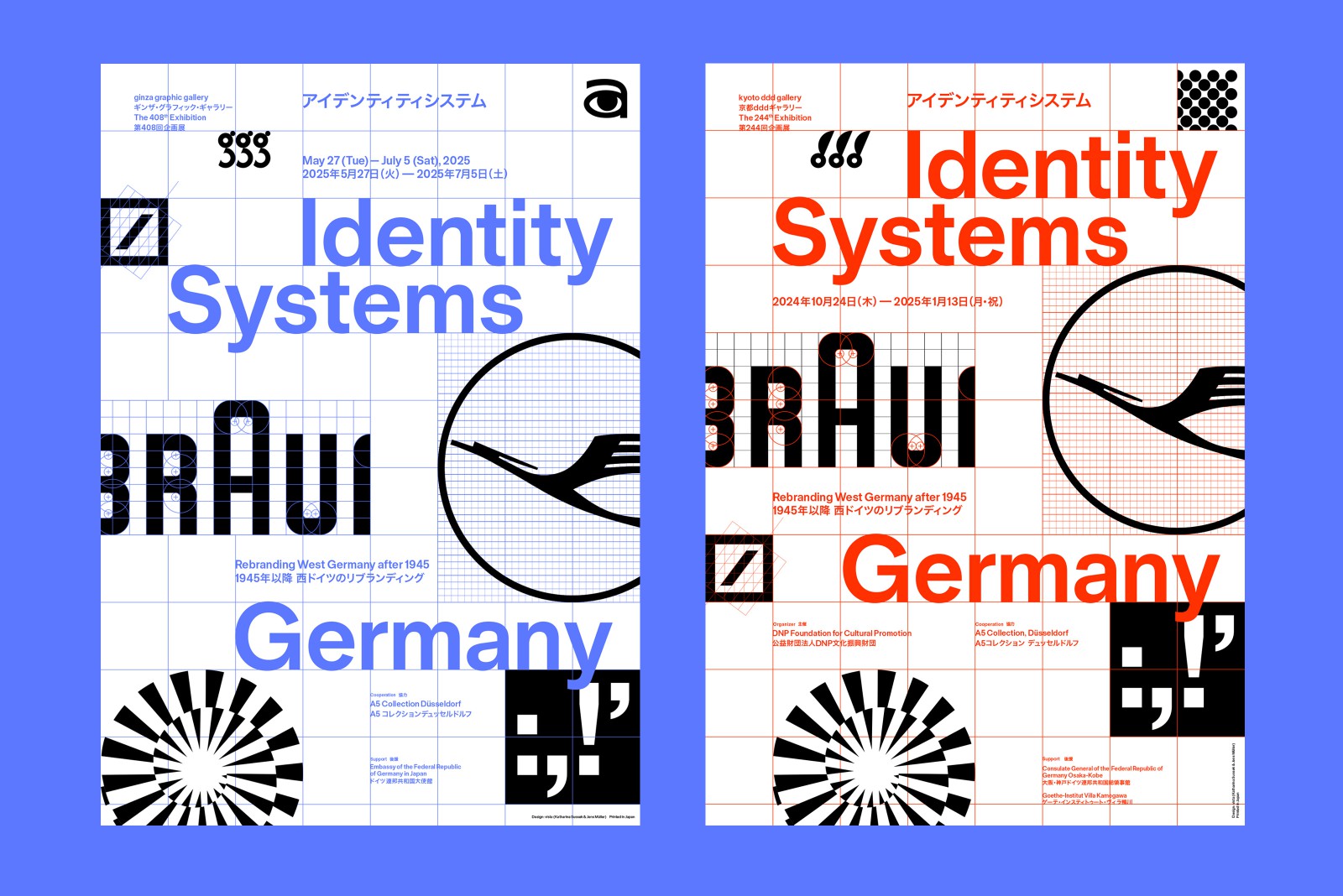
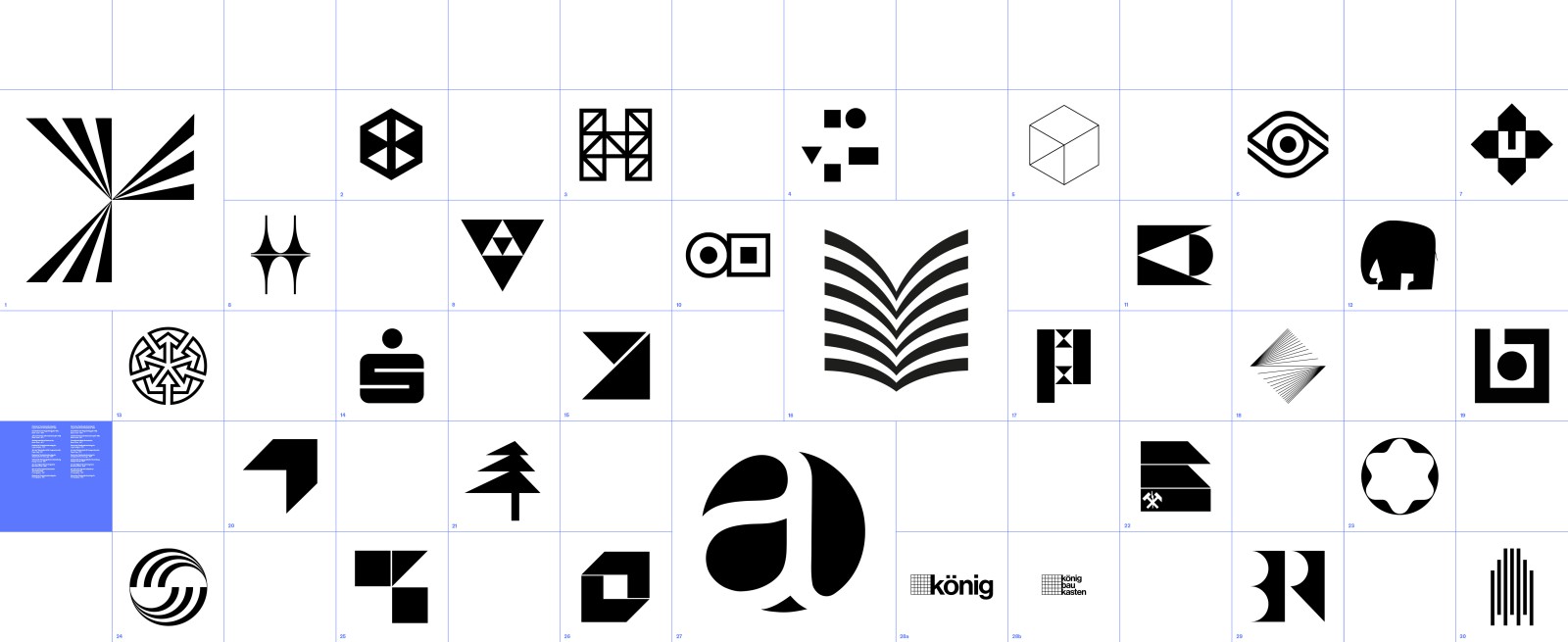
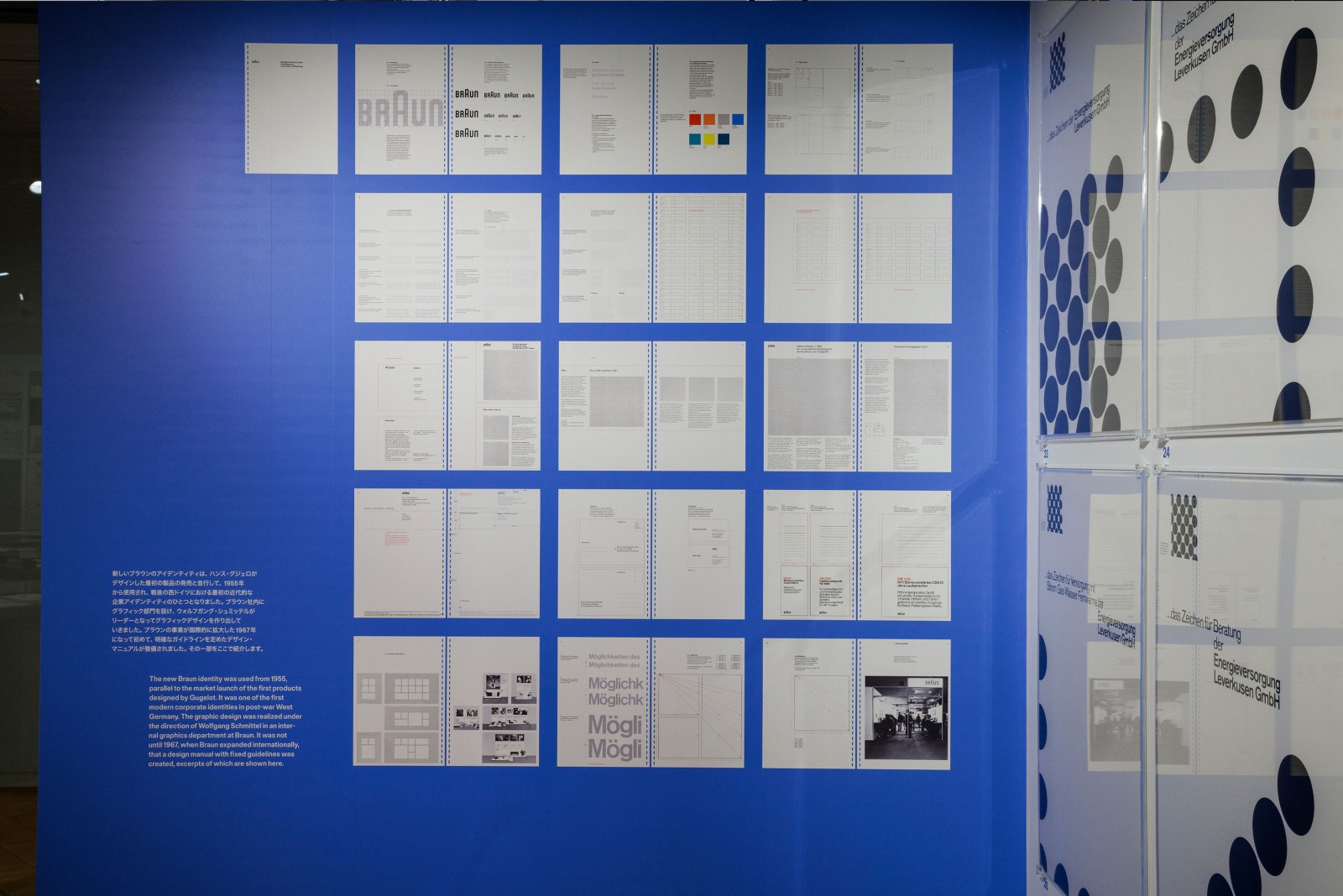
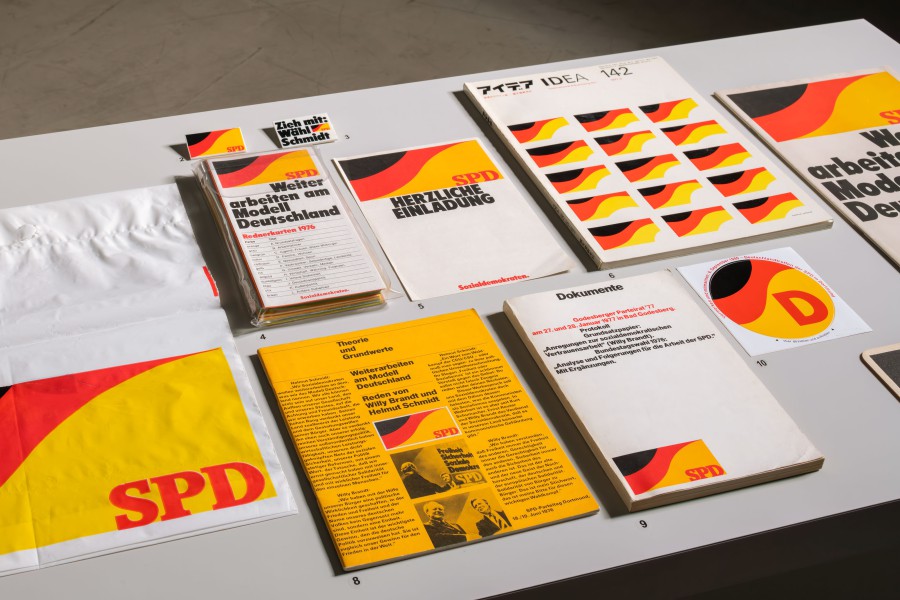
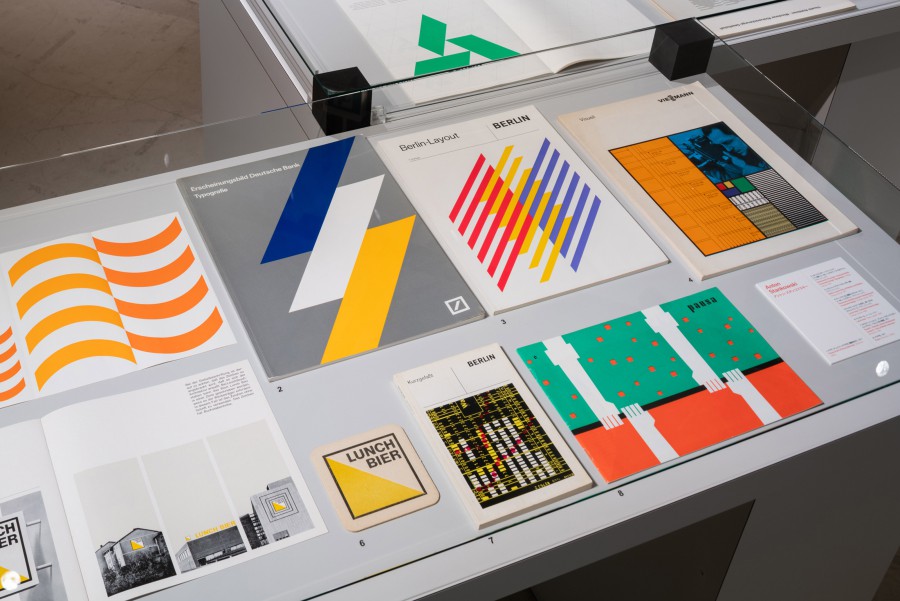
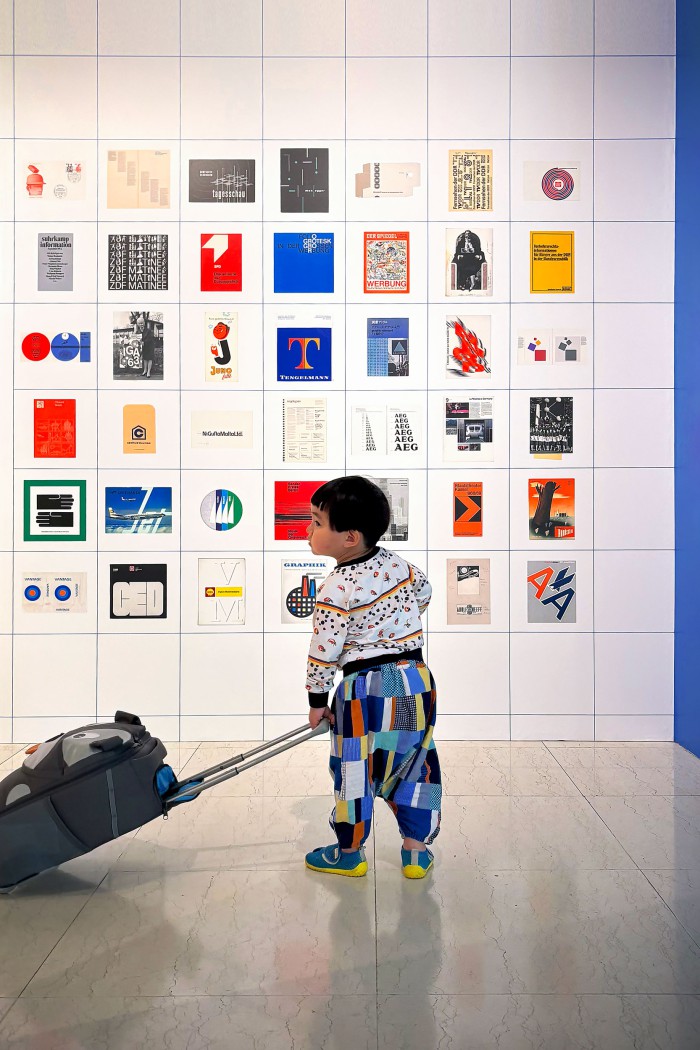
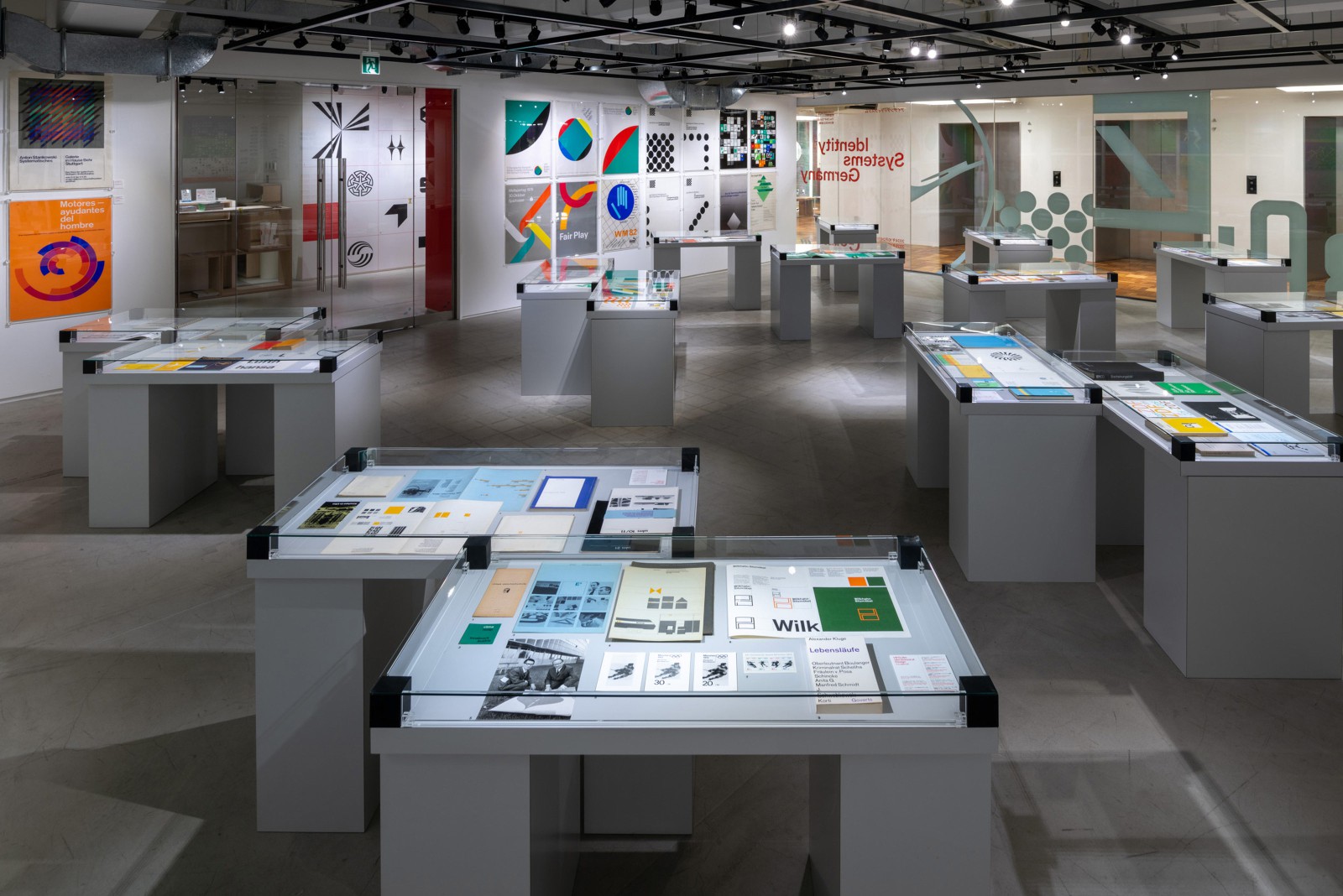
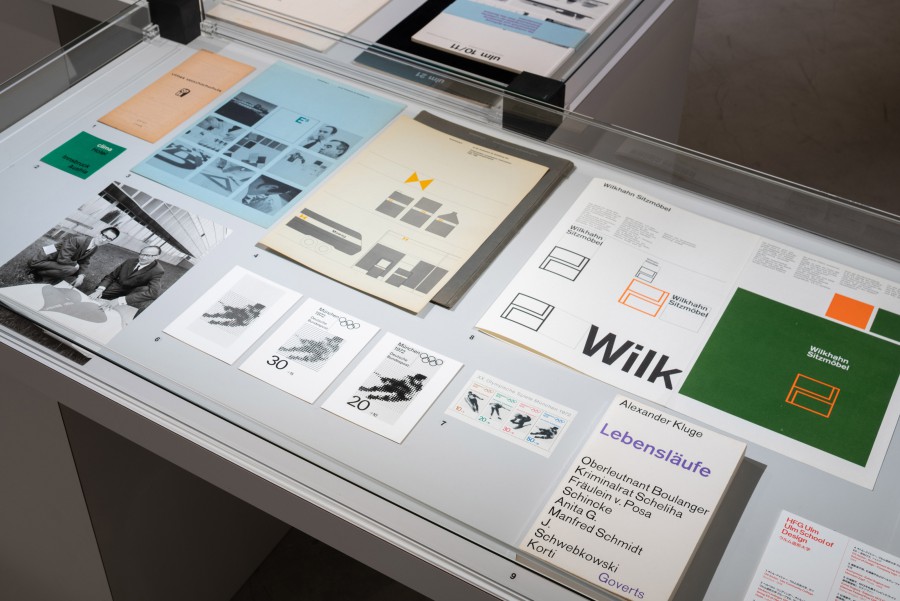
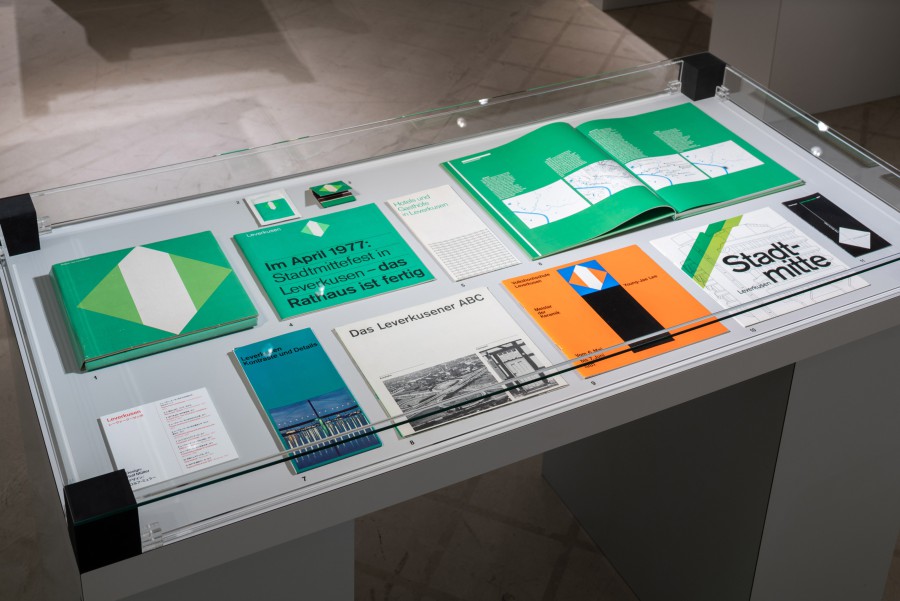
The exhibition showcases groundbreaking corporate design solutions by renowned designers such as Otl Aicher (1922–1991) and Anton Stankowski (1906–1998). The exhibits include rare posters and design manuals documenting the original concepts. Original documents, including concept drawings and print proofs, attest to the high quality of the craftsmanship involved in the design process. An introductory segment showcases examples of early German brand design from the 1910s and 1920s. Short texts explain the historical context and provide interesting facts about selected projects and figures. The ephemeral nature of the exhibition provides experts and interested laypeople alike with easy access, whether they wish to learn more about design or reminisce.

Project Partner: DNP Foundation, Tokyo
Japanese typesetting: Nicole Schmid, hs design, Osaka
Services: Concept and Design, Research, Exhibition Design, Corporate Design
Year: 2024—2026
Photography: Nobutada Omote, Mitsumasa Fujitsuka
More projects
First trademarks Logo Beginnings